
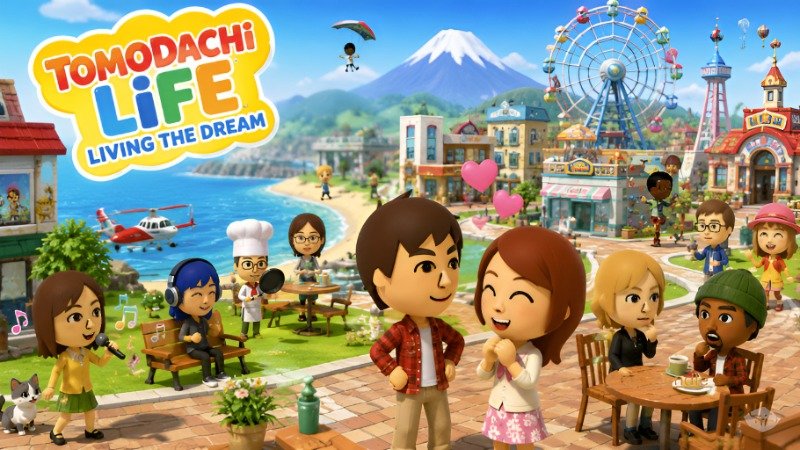
What IsTomodachi Life: Living the Dream Switch NSP ?
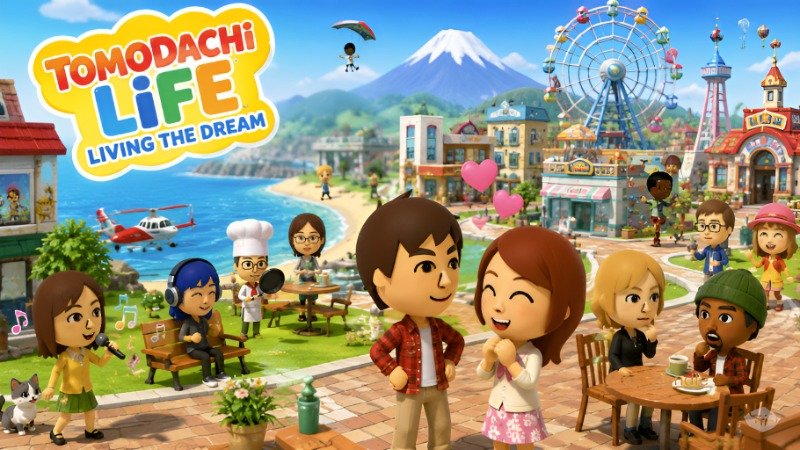
Tomodachi Life: Living the Dream is a social simulation game published by Nintendo for Nintendo Switch. It can also be played on Nintendo Switch 2. The game places you in charge of a customizable island populated by Mii characters based on friends, relatives, fictional personalities, or original creations.
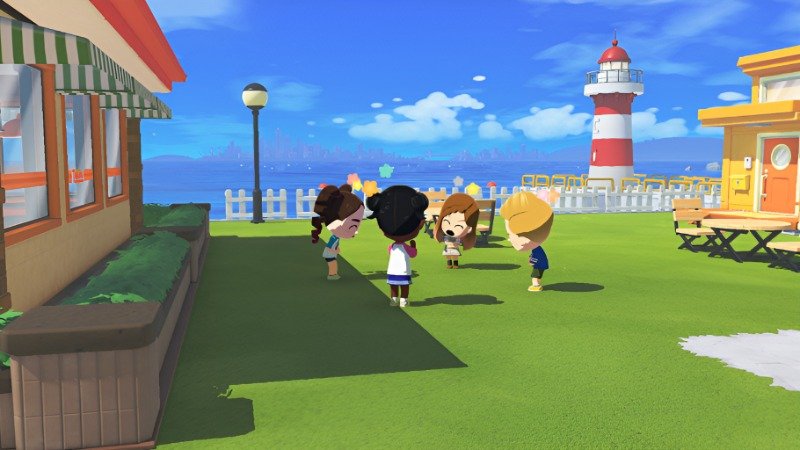
Instead of controlling every action directly, you act as the island’s caretaker. You create residents, learn their preferences, give them food and clothing, solve their concerns, and provide places where they can live and socialize. The Miis then develop friendships, experience disagreements, form romantic relationships, and create surprising situations based on their personalities.
The game is designed around open-ended play rather than a fixed campaign. There is no single correct way to build the island or manage its residents. Some players may create a realistic community based on people they know, while others may build a fictional cast with unusual personalities and themed homes.
Nintendo describes the experience as an island filled with friendship, drama, love, comedy, and unexpected events. The company also explains that the game was rebuilt from the ground up while keeping the character-focused style of earlier Tomodachi Life titles.
The main attraction is watching player-created characters develop lives of their own. Your decisions influence the island, but the residents retain enough independence to make each save file feel different.
Game Description
Tomodachi Life: Living the Dream begins by asking you to create Mii residents. You can design a Mii from scratch or answer simple questions to receive help with the creation process. The available settings cover appearance, body type, voice, personality, gender, dating preferences, expressions, quirks, and other personal details.
Once your first residents move to the island, you begin learning about their likes and dislikes. A Mii may request a meal, ask for new clothing, want help making a friend, or need advice about another resident. Helping with these concerns improves happiness and gives you more opportunities to personalize the character.
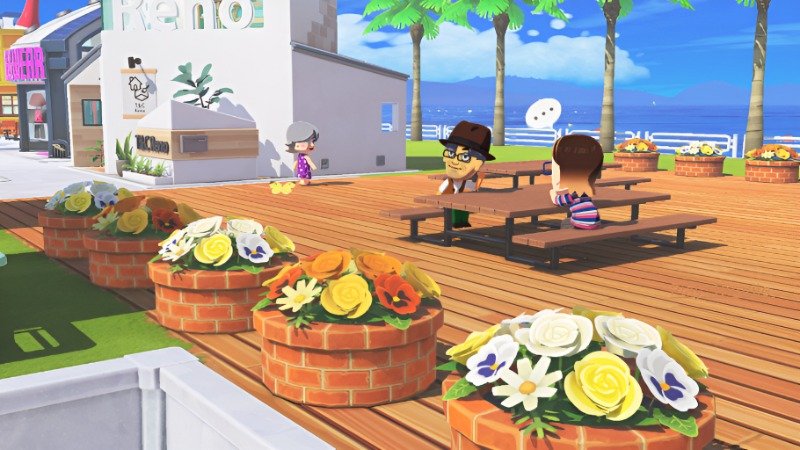
The experience gradually expands beyond individual residents. You can build homes, add stores and public facilities, change the landscape, and provide new places for Miis to visit. The island becomes more active as its population and number of amenities increase.
MiiNews reports everyday events and major developments. These reports turn ordinary resident activities into humorous stories, helping you follow relationships and other changes across the island. Nintendo states that players receive a regular daily report as well as updates for especially important events.
The game works particularly well in short sessions. You can visit for a few minutes, check resident concerns, make a small change, and return later to see what has happened.
Storyline
Tomodachi Life: Living the Dream does not follow a traditional storyline with a single hero, central villain, or predetermined ending. Its story is created gradually through the personalities, relationships, and decisions found on your island.
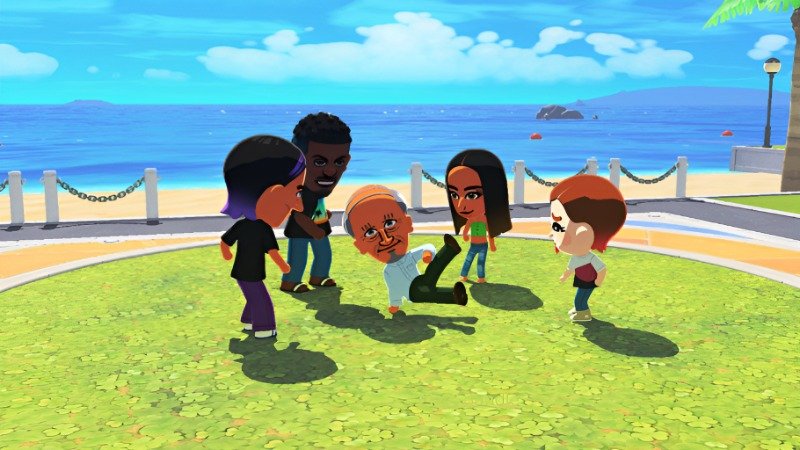
At the beginning, most residents do not know one another. As they meet, they may become friends, grow closer, share homes, argue, or develop romantic feelings. Because every island contains a different combination of Miis, no two players are guaranteed to see the same sequence of events.
Your role is to influence this developing story without controlling every detail. You can introduce residents, place them near each other, offer advice, or provide gifts that affect their happiness. However, the Miis may respond in unexpected ways. A planned friendship may fail to develop, while two unrelated characters may become unexpectedly close.
Marriage and family life can also become part of the island’s continuing narrative. Nintendo confirms that compatible Miis may fall in love based on the gender and dating-preference settings assigned to them. Married couples may also have babies regardless of gender.
This emergent structure gives the game its replay value. The storyline is not something you simply complete. It becomes an ongoing record of friendships, conflicts, jokes, homes, creations, and memorable island events.
More Recommended Nintendo Switch Game
Game Information
Tomodachi Life: Living the Dream expands Nintendo’s popular life simulation formula with deeper customization, improved social interactions, and more creative freedom. Players can create original Mii characters or recreate family members, friends, celebrities, and fictional personalities before placing them on a lively island.
Your role is to care for every resident by providing food, clothing, gifts, and helpful advice while watching their personalities shape their relationships and daily routines. Instead of completing missions, players enjoy the unpredictable events, humorous conversations, and evolving stories that naturally develop between island residents.
ROM Details
Tomodachi Life: Living the Dream Nintendo Switch ROM is available in NSP and XCI formats, with an approximate file size of 6.2 GB. The ROM is compatible with supported CFW consoles running Atmosphère and may also work with compatible Nintendo Switch emulators, depending on emulator support and system compatibility.
Before downloading the ROM, review the Game Details table for essential information, including the Title ID, game version, required firmware, supported languages, region, and file size. Verifying these specifications beforehand helps ensure a smooth installation and the best possible gameplay experience.
| Game Details | |
|---|---|
| Title | Tomodachi Life: Living the Dream |
| Platform | Nintendo Switch / Nintendo Switch 2 |
| Category | Simulation |
| Publisher | Nintendo |
| Type | eShop |
| Release Date | April 16, 2026 |
| Version | Base Game + Update 1.0.2 + Update 1.0.4 |
| Region | USA |
| Languages | English, Japanese, Spanish, French, German, Italian, Dutch, Korean, Simplified Chinese, Traditional Chinese (En, Ja, Es, Fr, De, It, Nl, Ko, Zh, Tw) |
| ROM Format | NSP |
| File Size | 6.21 GB (Approx. 6.2 GB) |
| Required Firmware | 20.3.0.0 |
| CFW | 20.3.0.0 + Atmosphere 1.9.1 |
| Title ID | 010051F0207B2000 |
Tomodachi Life Living the Dream preview cover
Key Features of Tomodachi Life Switch
Tomodachi Life: Living the Dream combines character creation, relationship simulation, island building, and original content design. Each feature contributes to the same central idea: creating a personal community and watching its residents behave in unexpected ways.
Detailed Mii creation: Players can build Miis from scratch or use a guided question-based method. Appearance is only one part of the process. Voices, personality traits, gender, dating preferences, expressions, quirks, and other profile settings help each resident feel different. A player can register up to 70 Miis.
Dynamic relationships: Residents can form friendships, become close companions, experience disagreements, develop romantic feelings, marry, and start families. These outcomes depend partly on the information assigned during Mii creation and partly on the interactions that develop during play.
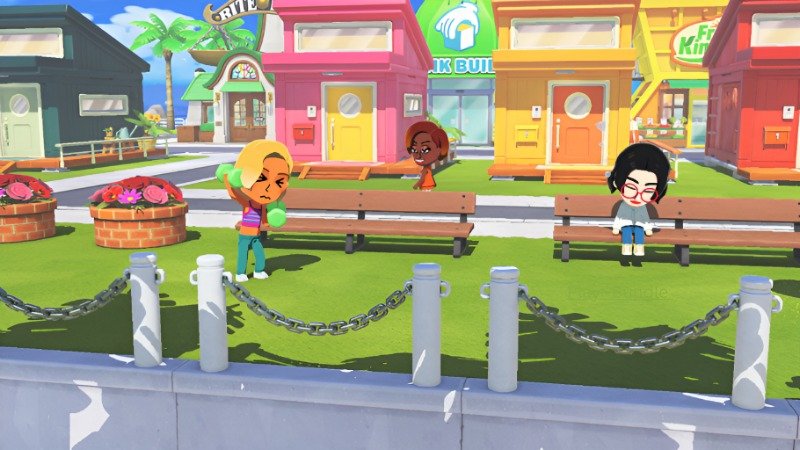
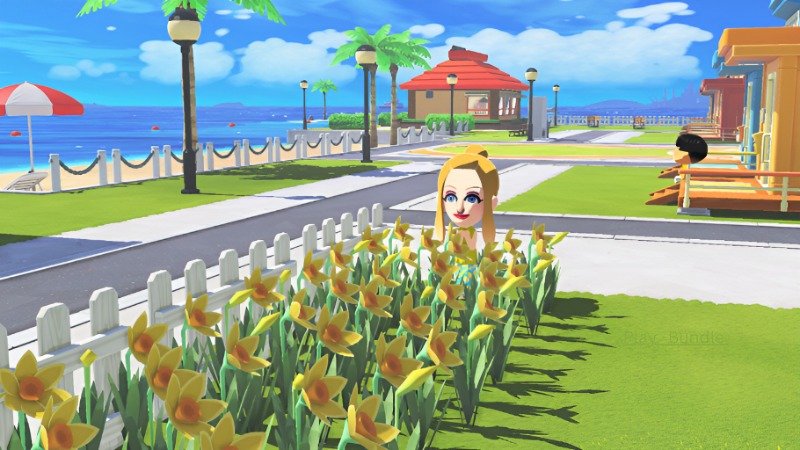
Island customization: You can add homes, shops, restaurants, entertainment areas, public amenities, plants, paths, benches, and decorative objects. Buildings and other island elements can be moved as your plans change.
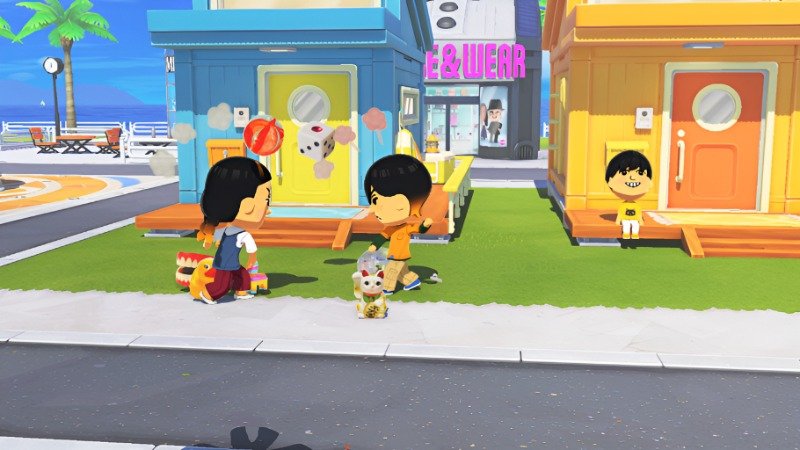
Palette House creations: The Palette House workshop allows players to create original food, drinks, clothing, pets, house exteriors, ground designs, books, games, and other items. This system supports detailed themes and gives creative players more control over the island’s visual identity.
Daily MiiNews: The Mii News Station provides daily reports and special updates about major island developments. It offers a clear and entertaining way to follow what residents have been doing.
Local wireless exchange: Nearby players can share eligible Miis and original Palette House creations. Both players require compatible systems, their own game access, matching software versions, and sufficient progress to unlock the relevant features.
Switch 2 improvements: Although the software content does not change, Switch 2 provides faster loading, 1080p handheld presentation, and GameChat support. A Nintendo Switch Online membership is required to use GameChat.
How to Master this social simulation game: Tips and Tricks
Mastering Tomodachi Life: Living the Dream is not about defeating difficult enemies or finishing a campaign quickly. It involves understanding residents, managing the island carefully, and creating conditions that produce varied social events.
- Begin with a balanced group of Miis. Create residents with different personalities, voices, ages, appearances, and interests. If every Mii has similar traits, conversations and reactions may feel less varied.
- Learn individual preferences. Do not assume that every resident will enjoy the same food, clothing, room, or gift. Pay attention to each reaction. A disliked item is still useful because it teaches you something about the character.
- Respond to concerns regularly. Resident requests are an important source of progress and information. Solving concerns can improve happiness and reveal new details about a Mii’s personality.
- Avoid expanding too quickly. Although you can register up to 70 Miis, creating everyone immediately can make it difficult to remember relationships and preferences. Start with a manageable group and introduce new residents gradually.
- Use contrasting roommates. Shared homes can create interesting interactions, especially when the residents have different personalities. However, avoid grouping every important character in the same house. Spread them across the island to encourage broader social activity.
- Check MiiNews every day. Reports can reveal important changes, unusual incidents, and relationship developments. They also help you understand which parts of the island are becoming active.
- Plan before using Island Builder. Organize homes and commonly visited facilities so the layout remains easy to understand. Decorative ideas are valuable, but residents should still have convenient access to important locations.
- Experiment with Palette House. Custom clothing, food, pets, and environmental designs can turn a basic island into a memorable themed community. Begin with simple designs before attempting more complicated creations.
- Save before local wireless sessions. Nintendo automatically prompts players to save when entering Local Play. Make sure both consoles are updated to the same software version before connecting.
- Install current updates. Nintendo released version 1.0.4 on July 22, 2026. Updates have addressed progression, display, local-play, and save-related issues, making current software important for a stable experience.
Installation Guide
Before installing Tomodachi Life: Living the Dream, make sure your Nintendo Switch meets the minimum system requirements. The game requires firmware version 20.3.0.0 or later and approximately 6.21 GB of free storage space. Since the game is available in NSP format, ensure your setup supports this file format before proceeding with the installation.
It is also recommended to verify the available game languages and confirm that you are using the latest Base Game along with the Update 1.0.2 and Update 1.0.4 for the best gameplay experience. Before downloading, review the Game Details table to check important information such as the Title ID, required firmware, region, file size, and other technical specifications. For the latest ROM updates and game resources, visit Play-Bundle.
Best Emulator to Play Tomodachi Life: Living the Dream
Tomodachi Life: Living the Dream can be played on several Nintendo Switch emulators, but Yuzu and Ryujinx remain the most popular options. If you have a low-end or mid-range PC, Yuzu is usually the better choice because it generally offers good performance with lower CPU usage. For high-end systems, Ryujinx is an excellent option thanks to its stability and strong game compatibility. In my opinion, Yuzu is the better emulator for most players because it provides a smooth gameplay experience on a wider range of PCs. Whichever emulator you choose, keep it updated to the latest version and use the recommended settings for the best performance.
Frequently Asked Questions
What are Mii characters?
Can I choose a Mii’s dating preferences?
Yes. When creating a Mii, you can customize its dating preferences, which influence how friendships and romantic relationships develop throughout the game.
What genders can I choose when creating a Mii?
Players can choose Male, Female, or Non-Binary when creating a Mii. Each Mii can also be customized with unique personality traits, appearance, and voice settings.
Can I transfer the Miis I created to my console or other games?
No. Miis created in Tomodachi Life: Living the Dream cannot be transferred to your Nintendo Switch Mii library or to other Nintendo games.
Can I bring in Miis created on my console or in another game?
You can use Miis already saved on your Nintendo Switch console. However, Miis created in games such as Miitopia cannot be directly imported into Tomodachi Life: Living the Dream.
How many Miis can I register?
You can register and manage up to 70 Mii characters on your island, allowing you to create a lively and diverse community.
Are save data and islands shared with other users on the same system?
No. Each Nintendo Switch user profile has its own separate save data and island. Progress is not shared between different user accounts on the same console.
Can I import Miis from other Nintendo games?
You can create residents based on Miis already saved on your Nintendo Switch console. However, you cannot directly import Miis from games like Miitopia.
Can I share my Miis with other players?
Yes. Using local wireless, you can share eligible Miis and Palette House creations with nearby players. Both players must have compatible Nintendo Switch systems and the same game version
Can I post screenshots and gameplay videos online?
Yes. Nintendo allows players to share screenshots and gameplay videos on social media and streaming platforms, provided they follow Nintendo’s content-sharing guidelines and the rules of each platform.
Conclusion
Tomodachi Life: Living the Dream delivers a fun and relaxing life simulation experience where every Mii has a unique personality and every island tells a different story. From creating customizable Mii characters and building relationships to designing your island and crafting original items, the game encourages creativity and lets unexpected moments unfold naturally through everyday interactions.
Whether you enjoy casual gameplay, character customization, or emergent storytelling, Tomodachi Life: Living the Dream offers hours of entertaining content without the pressure of traditional objectives. Take your time exploring island life, watching your community grow, and discovering new surprises as your Miis create memorable adventures of their own.
